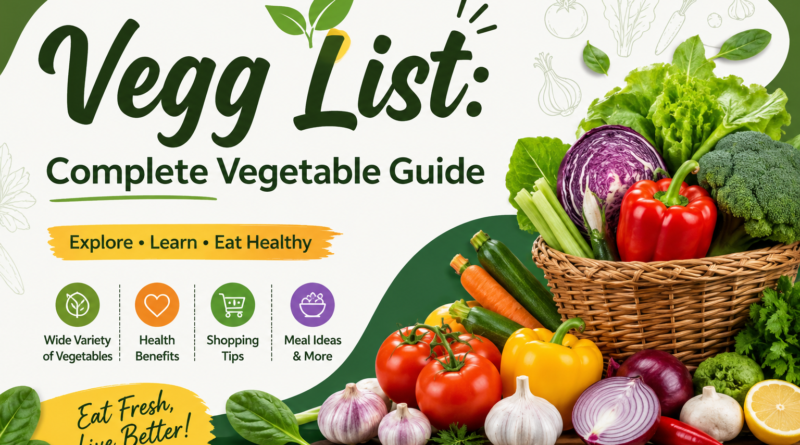
Vegg List: The Complete Guide to Plant-Based Foods for a Healthier Lifestyle
Introduction
If you’re looking for a complete Vegg List, you’ve come to the right place. Whether you’re planning to eat healthier, switch to a vegetarian lifestyle, or simply include more vegetables in your meals, having a well-organized vegg list can make shopping and meal planning much easier.
Thank you for reading this post, don't forget to subscribe!Vegetables are among the most nutrient-rich foods available. They provide essential vitamins, minerals, antioxidants, and fiber while remaining naturally low in calories. From leafy greens and colorful root vegetables to crunchy cruciferous vegetables and flavorful herbs, there’s a wide variety to enjoy.
In this comprehensive guide, we’ll explore different categories of vegetables, their health benefits, tips for selecting and storing them, and creative ways to include them in your daily diet. By the end, you’ll have a complete vegg list that serves as a practical reference for healthier eating.
What Is a Vegg List?
A Vegg List is simply an organized collection of vegetables grouped by type or category. It helps individuals:
- Plan balanced meals
- Create efficient grocery shopping lists
- Discover new vegetables
- Increase daily vegetable intake
- Maintain a healthier diet
Instead of buying the same few vegetables every week, using a complete vegg list encourages variety, which is essential for getting a broad range of nutrients.
Why Eating More Vegetables Matters
Vegetables are often called nutritional powerhouses—and for good reason.
Regularly eating vegetables may help:
- Support heart health
- Improve digestion
- Strengthen the immune system
- Maintain healthy weight
- Reduce inflammation
- Support healthy skin
- Improve eye health
- Lower the risk of chronic diseases
Most health experts recommend filling at least half your plate with vegetables during meals.
Complete Vegg List by Category
Below is a categorized vegg list that includes many of the most popular vegetables around the world.
Leafy Green Vegetables
Leafy greens are packed with vitamins A, C, K, iron, calcium, and antioxidants.
Popular leafy greens include:
- Spinach
- Kale
- Lettuce
- Romaine Lettuce
- Swiss Chard
- Collard Greens
- Mustard Greens
- Bok Choy
- Arugula
- Watercress
- Cabbage
- Napa Cabbage
These vegetables work well in salads, smoothies, soups, stir-fries, and wraps.
Root Vegetables
Root vegetables grow beneath the soil and are excellent sources of carbohydrates, fiber, and essential nutrients.
Common root vegetables include:
- Carrots
- Potatoes
- Sweet Potatoes
- Beets
- Radishes
- Turnips
- Parsnips
- Rutabaga
- Cassava
- Yam
They can be roasted, boiled, mashed, baked, or added to soups.
Cruciferous Vegetables
Cruciferous vegetables are known for their impressive nutritional profile and disease-fighting compounds.
Examples include:
- Broccoli
- Cauliflower
- Brussels Sprouts
- Cabbage
- Kale
- Bok Choy
- Kohlrabi
These vegetables are especially rich in vitamins C and K.
Fruiting Vegetables
Although botanically fruits, these foods are commonly used as vegetables in cooking.
The vegg list includes:
- Tomatoes
- Bell Peppers
- Eggplant
- Cucumbers
- Zucchini
- Pumpkin
- Squash
- Okra
- Chili Peppers
- Jalapeños
They add flavor, color, and texture to countless dishes.
Allium Vegetables
Allium vegetables are known for their distinctive flavors and natural health benefits.
Popular choices include:
- Onion
- Red Onion
- White Onion
- Garlic
- Shallots
- Leeks
- Green Onions
- Chives
These vegetables form the flavor base for many recipes worldwide.
Legume Vegetables
Legumes are high in plant protein and fiber.
Examples include:
- Green Beans
- Peas
- Snow Peas
- Sugar Snap Peas
- Edamame
- Lima Beans
They’re perfect for balanced vegetarian meals.
Mushrooms
While mushrooms aren’t technically vegetables, they’re commonly included in vegetable lists because of their culinary use.
Popular varieties include:
- White Mushroom
- Portobello
- Cremini
- Shiitake
- Oyster Mushroom
- Enoki
Mushrooms add a rich, savory flavor known as umami.
Stem Vegetables
Stem vegetables offer unique textures and nutrients.
Examples:
- Asparagus
- Celery
- Bamboo Shoots
- Rhubarb
These vegetables are commonly used in stir-fries, soups, and salads.
Sea Vegetables
Sea vegetables come from marine environments and are rich in minerals.
Popular examples include:
- Nori
- Wakame
- Kombu
- Sea Lettuce
These are widely used in Japanese and Korean cuisine.
Color-Based Vegg List
Eating vegetables of different colors helps provide a wider variety of nutrients.
Green Vegetables
- Broccoli
- Spinach
- Kale
- Green Beans
- Peas
- Asparagus
- Zucchini
- Cucumber
- Lettuce
- Celery
Benefits
- Rich in chlorophyll
- High in vitamin K
- Supports bone health
- Excellent source of fiber
Red Vegetables
- Tomatoes
- Red Bell Peppers
- Radishes
- Red Cabbage
- Beets
Benefits
- Rich in antioxidants
- Supports heart health
- Promotes healthy skin
Orange and Yellow Vegetables
- Carrots
- Pumpkin
- Sweet Potato
- Yellow Squash
- Yellow Bell Pepper
Benefits
- High in beta-carotene
- Supports eye health
- Boosts immunity
Purple Vegetables
- Purple Cabbage
- Eggplant
- Purple Carrots
- Purple Sweet Potato
Benefits
- Rich in anthocyanins
- Supports brain health
- Helps fight oxidative stress
White Vegetables
- Garlic
- Onion
- Cauliflower
- Mushrooms
- Turnips
Benefits
- Support immune function
- May promote heart health
- Rich in beneficial plant compounds
Seasonal Vegg List
Buying seasonal vegetables usually means fresher produce and better prices.
Spring
- Asparagus
- Peas
- Spinach
- Lettuce
- Radishes
Summer
- Tomatoes
- Cucumbers
- Zucchini
- Bell Peppers
- Eggplant
Autumn
- Pumpkin
- Sweet Potato
- Carrots
- Beets
- Cauliflower
Winter
- Cabbage
- Kale
- Brussels Sprouts
- Turnips
- Leeks
Health Benefits of Following a Diverse Vegg List
Eating a wide variety of vegetables provides many nutritional advantages.
Better Digestion
Vegetables are rich in dietary fiber, which supports healthy digestion and helps maintain regular bowel movements.
Weight Management
Most vegetables are naturally low in calories but high in volume, helping you feel full longer.
Improved Heart Health
Vegetables contain potassium, antioxidants, and fiber that contribute to cardiovascular wellness.
Stronger Immune System
Vitamin C-rich vegetables like broccoli and bell peppers help support immune function.
Better Blood Sugar Control
Fiber-rich vegetables slow digestion and help stabilize blood sugar levels.
Healthy Skin
Vegetables rich in vitamins A and C support collagen production and healthy skin.
How to Build a Balanced Plate Using a Vegg List
A balanced meal should include vegetables alongside healthy protein and whole grains.
Example:
- Half plate vegetables
- Quarter plate lean protein
- Quarter plate whole grains
This simple method makes healthy eating easier without complicated meal plans.
Tips for Buying Fresh Vegetables
Choosing quality vegetables ensures better taste and nutrition.
Look for vegetables that are:
- Bright in color
- Firm to the touch
- Free from bruises
- Crisp rather than wilted
- Fresh-smelling
Buying from local farmers’ markets is often a great option during the growing season.
How to Store Vegetables Properly
Proper storage helps vegetables stay fresh longer.
Refrigerate
- Broccoli
- Carrots
- Lettuce
- Spinach
- Celery
Store at Room Temperature
- Potatoes
- Onions
- Garlic
- Pumpkins
Avoid storing potatoes and onions together, as they can spoil more quickly.
Easy Ways to Eat More Vegetables
Increasing vegetable intake doesn’t have to be difficult.
Try these ideas:
- Add spinach to smoothies.
- Include vegetables in omelets.
- Roast mixed vegetables for dinner.
- Snack on carrots and cucumbers.
- Make colorful salads.
- Add mushrooms to pasta.
- Blend vegetables into soups.
- Top pizzas with extra vegetables.
- Prepare vegetable stir-fries.
- Include vegetables in sandwiches and wraps.
Small daily changes can significantly improve your overall diet.
Common Mistakes People Make
When using a vegg list, avoid these common mistakes:
Buying Too Much
Purchase only what you can eat before it spoils.
Eating the Same Vegetables
Variety provides a broader range of nutrients.
Overcooking
Excessive cooking may reduce certain vitamins. Light steaming or roasting often preserves more nutrients.
Ignoring Frozen Vegetables
Frozen vegetables are nutritious, convenient, and often just as healthy as fresh ones.
Sample Weekly Vegg List for Grocery Shopping
Here’s an example shopping list for one week.
Leafy Greens
- Spinach
- Lettuce
- Kale
Root Vegetables
- Carrots
- Sweet Potatoes
- Beets
Cruciferous
- Broccoli
- Cauliflower
Fruiting Vegetables
- Tomatoes
- Cucumbers
- Bell Peppers
- Zucchini
Alliums
- Garlic
- Onions
Legumes
- Green Beans
- Peas
Extras
- Mushrooms
- Celery
- Pumpkin
This shopping list provides excellent variety for healthy meals throughout the week.
Frequently Asked Questions
What is included in a vegg list?
A vegg list includes vegetables from multiple categories such as leafy greens, root vegetables, cruciferous vegetables, legumes, mushrooms, and seasonal produce.
How many vegetables should I eat daily?
Most dietary guidelines recommend eating several servings of vegetables each day, with a focus on variety and colorful choices.
Are frozen vegetables healthy?
Yes. Frozen vegetables are typically frozen shortly after harvest, helping preserve many of their nutrients.
Which vegetables are highest in nutrients?
Spinach, kale, broccoli, carrots, sweet potatoes, bell peppers, and Brussels sprouts are among the most nutrient-dense options. Read more over website content Time Magzine.
Conclusion
A well-organized Vegg List is more than just a shopping guide—it’s a practical tool for building healthier eating habits. By exploring different categories of vegetables, choosing seasonal produce, and adding a variety of colors to your meals, you can enjoy better nutrition, improved overall health, and more exciting dishes every day.
Remember that healthy eating doesn’t require perfection. Start by adding one or two new vegetables to your weekly menu and gradually expand your choices. Over time, a diverse vegg list can help you create balanced meals, reduce reliance on processed foods, and make grocery shopping simpler and more enjoyable.